

October 2026 · Healthcare
Respirators in healthcare: let patients keep wearing their own protection
Who we wrote to and what we asked
To: the infection prevention and control teams of NHS England, ARHAI Scotland, Public Health Wales and the Public Health Agency (Northern Ireland), and the Chief Nursing Officers and Chief Medical Officers of all of the UK nations. Copied to the Prime Minister and the First Ministers. Sent on 22nd October 2026.
Signed by UK Covid-19 Inquiry Core Participants, clinicians and scientists, including Independent SAGE members Professor Sheena Cruickshank, Professor Trisha Greenhalgh, Professor Stephen Griffin, Professor Martin McKee, Professor Christina Pagel and Professor Kit Yates, and aerosol scientist Dr Adam Squires.
National infection control manuals say patients with respiratory symptoms cannot wear a respirator (FFP2 or FFP3 mask). They can be asked to remove it, or swap it for a surgical mask, while staff can now choose a respirator if treating a patient with respiratory symptoms. We asked all of the UK nations to:
- say plainly that patients and visitors may wear their own FFP2 or FFP3 mask;
- limit the rule to valved respirators and powered hoods, where breath bypasses the filter;
- publish the evidence behind the guidance;
- involve Clinically Vulnerable people in revising it, and keep guidance consistent across the UK.
Responses so farUpdated 12th November 2026
- EnglandStage 1 of 5: Awaiting reply
22nd October 2026 An automatic acknowledgement from the Department of Health and Social Care confirmed it had received our letter, and said it aims to reply within 20 working days, by 19th November 2026.
6th November 2026 Sent again through an MP, asking for a response.
No reply yet from the Department of Health and Social Care or NHS England.
- ScotlandStage 1 of 5: Awaiting reply
26th October 2026 An automatic acknowledgement from the Scottish Government’s case system gave our letter a reference number and said it would be passed to the relevant team.
No reply yet.
- WalesStage 4 of 5: Under review
28th October 2026 Chief Nursing Officer for Wales: our letter has been shared with Public Health Wales, which develops infection prevention and control guidance in Wales, and the Chief Nursing Officer will “ensure that the points raised are considered”. Read the letter (PDF)
12th November 2026 Deputy Minister for Public and Preventative Health: work on the issues we raised is already under way, involving Welsh Government officials, Public Health Wales and infection prevention and control leads in the other UK nations. Read the letter (PDF)
- Northern IrelandStage 2 of 5: Acknowledged by recipient
2nd November 2026 The Executive Office passed our letter to the Department of Health, which will reply.
No reply yet.
- 1 Awaiting reply
- 2 Acknowledged by recipient
- 3 Replied
- 4 Under review
- 5 Guidance changed
Keep up to date
Sign up to our newsletter to hear what happens next with this letter, and for new reports and surveys.

September 2026 · Clean air
Wildfire smoke and air pollution: guidance that says what actually protects people
Who we wrote to and what we asked
To: The Rt Hon Yvette Cooper MP, Secretary of State for Health and Social Care, and The Rt Hon Dame Angela Eagle DBE MP, Secretary of State for Environment, Food and Rural Affairs. Sent on 3rd September 2026.
Signed by twenty clinicians, scientists and specialists in air quality, occupational health and building design, including Professor Trisha Greenhalgh, Professor Sheena Cruickshank, Professor Lidia Morawska and Professor Robert McLeod.
After the first national Emergency Alert for wildfire risk, UK guidance warned that surgical masks may not protect against smoke, but never said what does. We asked the Government to update public guidance so that it:
- names indoor air filtration (HEPA, with activated carbon for gases) as a recommended measure during smoke and high pollution;
- says that close-fitting FFP2 or FFP3 respirators can protect people who must go outside;
- recognises more of the groups at higher risk, in line with international guidance;
- brings this advice together on one clearly signposted page.
Responses so farUpdated 12th November 2026
- UK GovernmentStage 1 of 5: Awaiting reply
3rd September 2026 Letter sent.
6th November 2026 Sent again through an MP, asking both Secretaries of State for a response.
No reply yet from the Department of Health and Social Care or the Department for Environment, Food and Rural Affairs.
- 1 Awaiting reply
- 2 Acknowledged by recipient
- 3 Replied
- 4 Under review
- 5 Guidance changed

November 2024 · Vaccines
Keep Covid vaccines available to Clinically Vulnerable people
Who we wrote to and what we asked
To: the Joint Committee on Vaccination and Immunisation (JCVI) and the UK Government.
Co-signed by leading experts, scientists and clinicians.
We urged them to keep Covid vaccine access for all Clinically Vulnerable people, warning that narrowing eligibility “effectively excludes millions of Clinically Vulnerable people who are at higher risk of severe illness, hospitalisation, and sequelae, from essential protection.” We pointed out that NICE’s own antiviral guidance still recognises these groups as higher-risk, and that paying privately would leave many unprotected.
Responses so farUpdated 12th November 2026
- JCVIStage 3 of 5: Replied
29th November 2024 The Joint Committee on Vaccination and Immunisation replied on behalf of its chair and deputy chair. It said it advises the Government but does not set policy. It agreed that the Covid clinical risk groups are “very broad and heterogeneous”, but said there were not enough data to separate people at higher and lower risk, and that it has recommended research to reassess the risk groups. Read the letter (PDF)
- UK GovernmentStage 3 of 5: Replied
6th February 2025 The Parliamentary Under-Secretary of State for Public Health and Prevention replied that the Government had accepted the JCVI’s advice for spring 2025 and was considering its advice for autumn 2025 and spring 2026. Read the letter (PDF) (the letter is dated 2024 in error).
- 1 Awaiting reply
- 2 Acknowledged by recipient
- 3 Replied
- 4 Under review
- 5 Guidance changed
Letters we’ve supported
We also add CVF’s name to open letters written by others when they speak up for Clinically Vulnerable people.
December 2025 · Schools · Written by Safe Air Schools UK
Urgent action on classroom air quality to protect children and teachers
To: the education ministers of all UK nations: Bridget Phillipson (England), Jenny Gilruth MSP (Scotland), Lynne Neagle MS (Wales) and Paul Givan MLA (Northern Ireland).
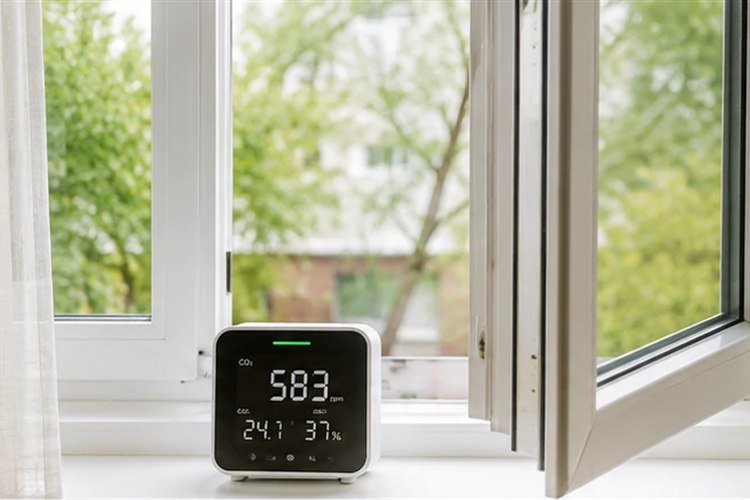
CVF signed as a supporting organisation, alongside Airborne Allergy Action, Clean Air Advocacy Ireland, GO AQS, Long Covid Advocacy and HouseFresh, and experts including Distinguished Professor Jose-Luis Jimenez. The letter calls for action on classroom air quality, including funding for air filtration in schools and an end to 100% attendance awards, which disadvantage pupils at higher risk.

2025 · Schools · Written by Rebecca Davis, Parents and Allies for Clean Indoor Air in Schools
Clean indoor air in Northern Ireland’s schools
To: the Minister of Education for Northern Ireland and the Education Authority.
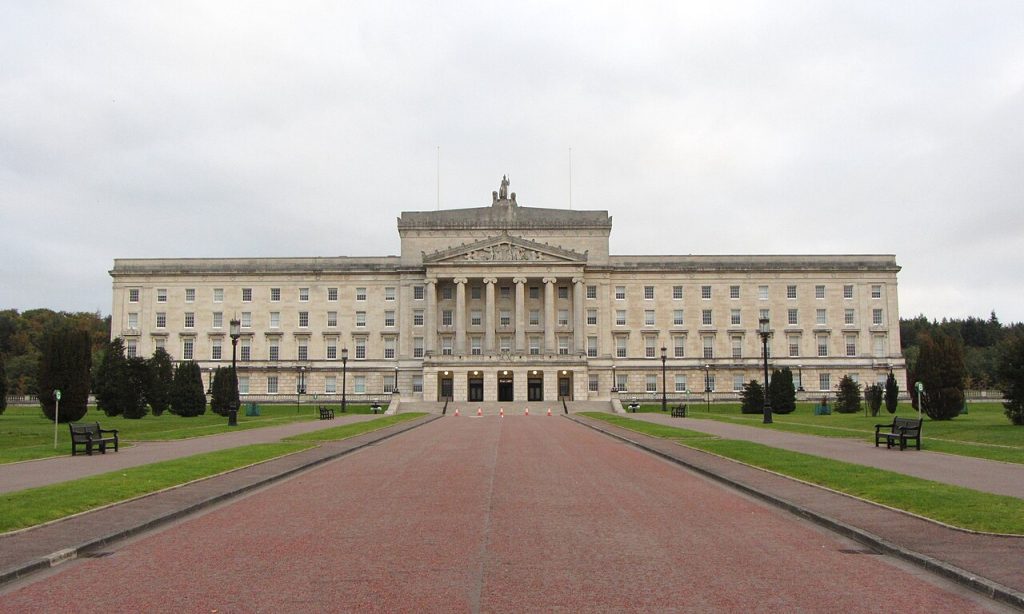
CVF signed this letter and helped to find expert supporters. It calls for an awareness campaign on clean indoor air for schools, parents and pupils, more indoor air quality monitors with transparent reporting, and air cleaners in school buildings.
Want to write your own? Our template letters make it easy to write to your MP or a public service.
Are you a clinician, scientist or specialist who would like to support future letters? Get in touch.